
Posted on September 13, 2026 in Neshamah B'nai Mitzvah Stories
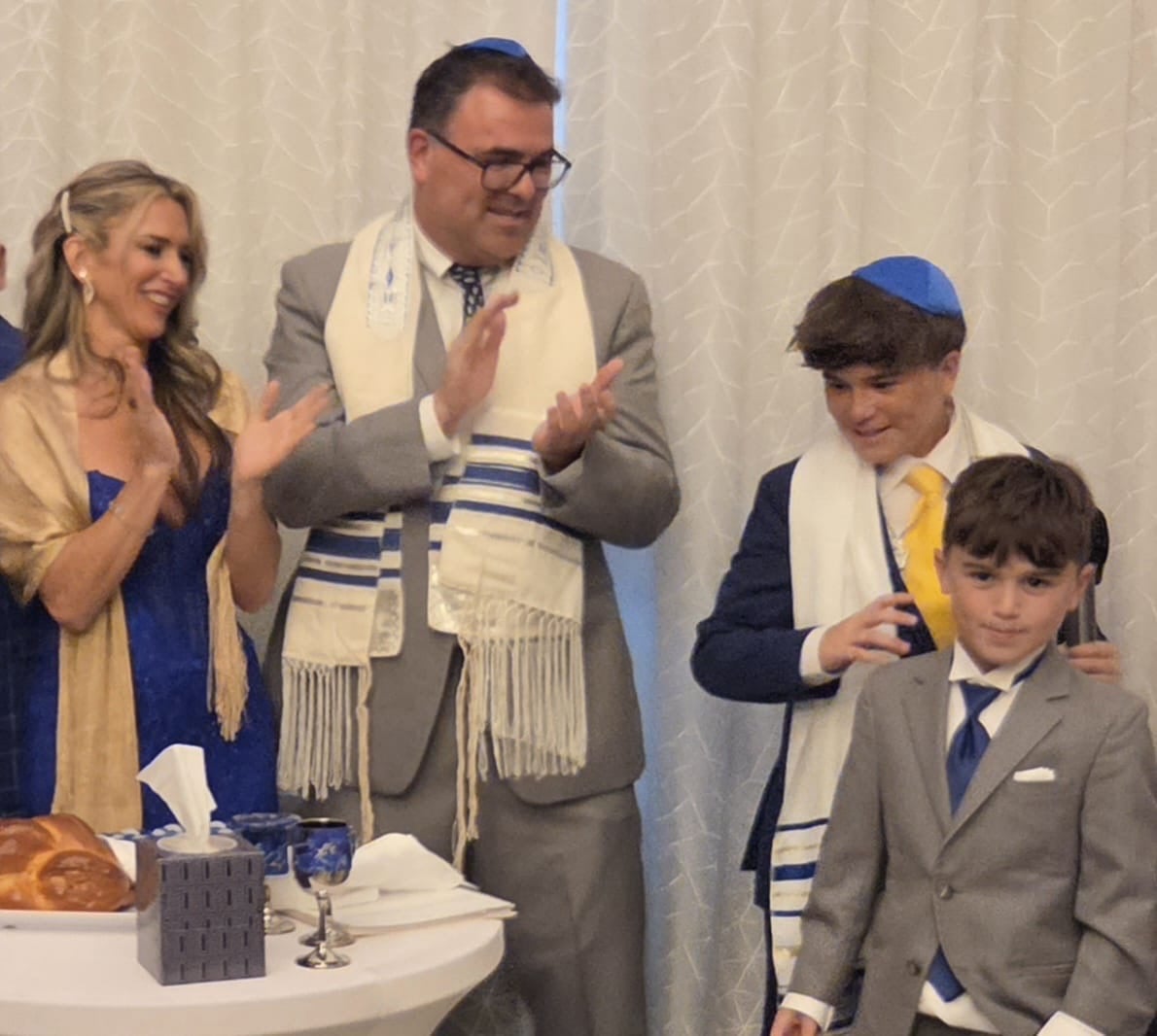
Everett drew a Torah portion that asks a hard question, and he did not dodge it.
Nitzavim means standing. Vayelech means and he went. In these final chapters, Moses gathers the entire people one last time before they cross into a land he will never enter himself, and he lays a choice in front of them. Life and death. Blessing and curse. Then he tells them what to pick. Choose life.
Everett wanted to know why Moses bothers asking. If God already knows how the story goes, what is the question for?
His answer was better than most answers I have heard from adults. The choice is not there for God’s information. It is there because we are the ones who have to live inside it. Life does get hard, we do not know what is coming, and we are still responsible for what we do next. As he put it, every day we decide how to treat people.
That is not an abstraction for Everett. When he thinks about treating people well, he thinks about the kids around him, because his parents have been telling him the same thing his whole life: make someone smile every day. He told the room that when he does it, it feels good inside. He also told them what today changes. Until now, his parents carried most of the weight of helping him choose well. From here, more of that weight is his. He said he wants to choose hard work, kindness, and respect.
I have been doing this a long time. A thirteen year old who stands up and says out loud that the responsibility is transferring to him, and means it, is doing exactly what the portion asks.
He also chose to remember
Everett decided that part of becoming a Jewish adult is refusing to look away from what has happened to our people, so he told the room about Emily Damari.
He walked us through it carefully. Taken from her home on October 7th. Wounded, cut off from everyone she loved, held underground for months without daylight, cared for by another hostage who became her friend. The moment she glimpsed her own mother on Israeli television after nine months. Her release in January of 2025, and the hand she raised afterward that became a symbol of hope for millions of people who had prayed for her.
And then Everett did the thing that took real maturity. He would not let the story end in celebration alone. He reminded us that other families are still waiting, still grieving, and he asked that the day come soon when every one of them is reunited. He asked that Emily’s courage be an inspiration to anyone who needs it.
That is a young man who understands that joy and obligation can sit in the same room.
The chain he is part of
Everett taught L’dor Vador, and he made it concrete. The holidays his family keeps. Shabbat with his grandma and his cousins. Pouring grape juice into the fancy cups. Lighting the candles. He called those the memories that will stay in his heart, and then he named what they are: he is one link in a very long chain, and he intends to pass it on.
When he taught the Shema, he told us he covers his eyes to focus, that the prayer slows him down when life is loud, and that it connects him to Jews everywhere. He also admitted he prays before big football games. I loved that. A kid who talks to God before kickoff is a kid with a real relationship, not a performance.
Everett thanked his teachers, his friends, his grandparents, his cousins, his brother Finley, and his parents. Watching a thirteen year old tell his mother he knows she is about to cry and asking her to try not to is one of the great pleasures of this job. She cried. Of course she cried.
Mazel tov to Everett, to his parents, to Finley, and to the whole family. Thank you for letting us stand with you.
Is your family starting to think about this?
Maybe your child is nine and you are already wondering how this works.
Maybe your child is twelve and a half and you are afraid you have waited too long.
Maybe you are an interfaith family who has been told, somewhere along the way, that you would not quite fit.
You fit here.
At Neshamah there are no dues and no membership. There is no building to join before your child is allowed to learn.
There is a rabbi, a team of teachers, and a community that shows up. We work with families across South Florida in person and with families all over the country online, and we build each child’s preparation around who that child actually is.
Everything at Neshamah starts with a conversation. We’re here whenever you’re ready.
Book a free welcome call with Rabbi Amy and let’s talk about your child.
With love and blessings,
Rabbi Amy
About Rabbi Rader
Rabbi Amy Rader is the Founder and Executive Director of the Neshamah Institute in Boca Raton, a vibrant Jewish community offering meaningful Jewish education for kids, Bar and Bat Mitzvah preparation, High Holiday services, and inspiring Jewish events. Ordained by the Jewish Theological Seminary, Rabbi Rader brings over 25 years of experience helping families connect deeply with Judaism in modern, authentic ways.