
Posted on March 31, 2026 in B'nai Mitzvah Guides
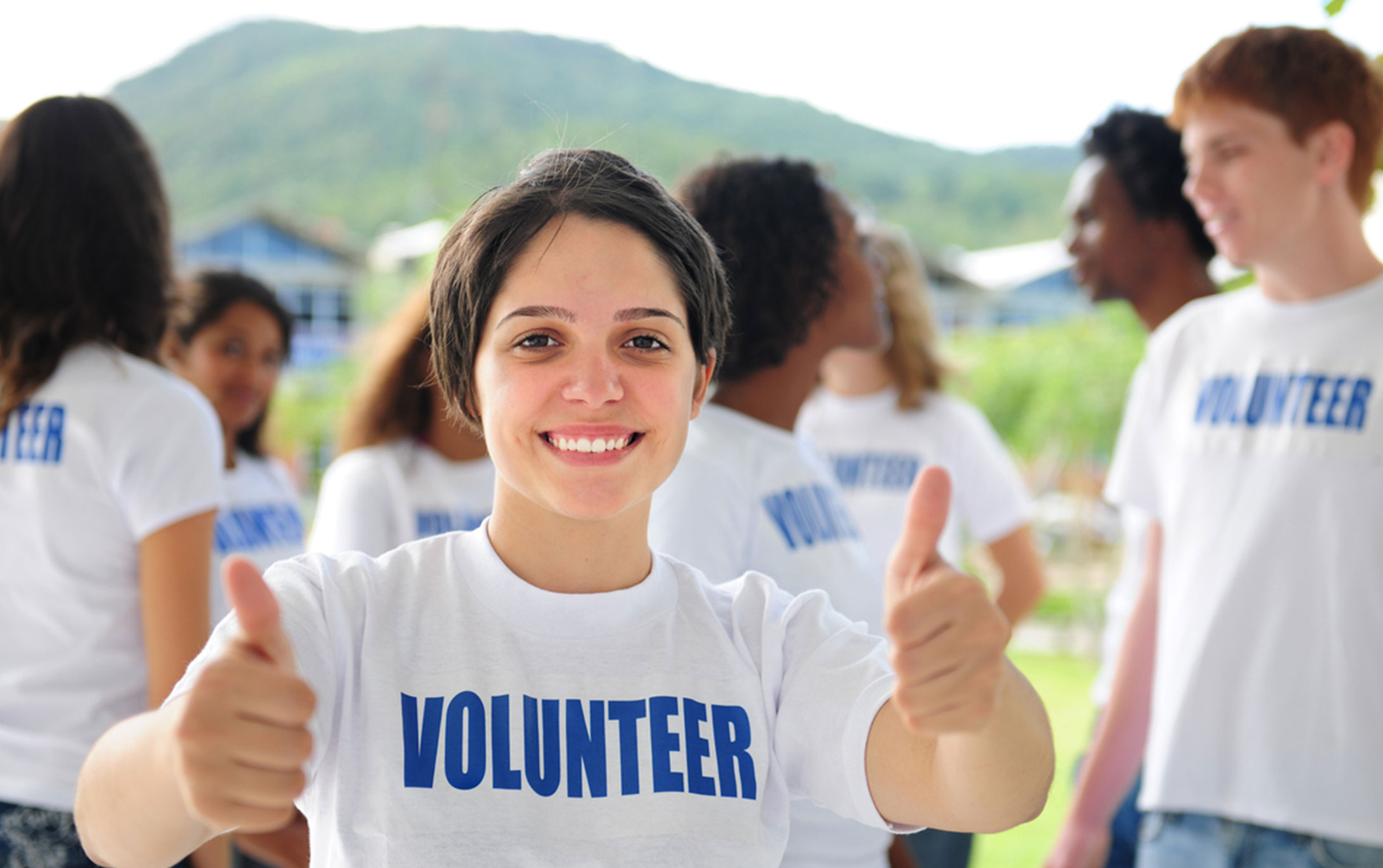
Almost every family I work with asks about the mitzvah project somewhere in the first few conversations. Sometimes they ask with relief: “Do we have to do one?” Sometimes they ask with genuine curiosity: “What should it be?” And sometimes a parent asks with a slight edge of anxiety, because they have heard that it needs to be documented, photographed, written up, and submitted, and they are already managing approximately forty-seven other things.
So let me tell you how we think about this at The Neshamah Institute. And more importantly, let me tell you why.
What Most Programs Require
In many synagogue-based B’nai Mitzvah programs, the mitzvah project is a formal requirement. Students are expected to identify a cause, complete a set number of hours of service, write a reflection connecting the project to their Torah portion, and present it as part of their preparation. It is graded, or at least evaluated. It has a deadline.
The intention behind this requirement is genuinely good. The idea is that a Bar or Bat Mitzvah should not just be a performance. It should be a demonstration of Jewish values in action. Tikkun olam. Repairing the world. Service before self.
I believe all of that. Wholeheartedly.
And yet I think the way the requirement is usually structured misses something essential about what a mitzvah actually is.
What “Bar Mitzvah” Actually Means
The words Bar Mitzvah and Bat Mitzvah do not mean “one who has completed a service project.” They mean “son of the commandment” and “daughter of the commandment.” A person who does mitzvot. A person who takes on the obligations of Jewish life and carries them forward.
Not just on one designated Sunday afternoon at a food bank. Not just in the six months before the ceremony. But as a way of being in the world.
The tradition teaches that on the day a child becomes bar or bat mitzvah, they become personally responsible for the mitzvot, for the commandments and ethical obligations of Jewish life. That responsibility does not have a completion date. It does not get turned in. It does not go away after the party.
That is the vision. A child who crosses the threshold into Jewish adulthood and begins, gradually and imperfectly, to live as a person who is shaped by Jewish values, who notices suffering and responds to it, who understands that their actions matter, who sees themselves as part of a community with obligations to one another and to the world.
Having a Bar or Bat Mitzvah is an event. Being a bar or bat mitzvah is a lifelong identity.
That distinction is everything. And it shapes the way we approach mitzvah work at The Neshamah Institute.
What We Do Instead: The Mitzvah Fair
We do not require a mitzvah project as a condition of B’nai Mitzvah preparation. We do not assign one, grade one, or make families document it for a file.
What we do instead is introduce students to the full, rich, sometimes surprising landscape of what a mitzvah actually is.
During the preparation process, students participate in what we call a Mitzvah Fair. Think of it less like a school assignment and more like a door being opened into a room most kids have never been shown. We explore mitzvot across categories they might not expect:
- Gemilut chasadim, acts of lovingkindness: visiting the sick, comforting mourners, welcoming guests, being present with someone who is lonely.
- Tzedakah, righteous giving: not just donating money, but understanding that giving is not charity in Judaism. It is justice. It is an obligation, not a favor.
- Kavod habriot, honoring human dignity: how we speak to people, how we treat workers, how we respond when someone is humiliated.
- Shmirat halashon, guarding our speech: the Jewish tradition’s profound attention to the ethics of what we say and what we don’t say.
- Tikkun olam, repair of the world: systemic work, advocacy, standing up for people who are not in the room.
- Mitzvot bein adam lamakom, obligations between a person and God: Shabbat, prayer, study, the practices that build a Jewish inner life.
The goal is not to overwhelm. It is to expand. Most kids come in thinking a mitzvah means volunteering at a soup kitchen. That is a beautiful mitzvah. It is also one of hundreds.
We want each student to leave this process knowing that Judaism has a whole vocabulary for how to be a good human being, and that they now get to choose which parts of that vocabulary feel most alive for them.
The Mitzvah That Comes After
Here is the part that I find most meaningful, and that I think is most aligned with what Jewish tradition actually intends.
Rather than completing a mitzvah project before the ceremony as a requirement, we encourage every student to choose a mitzvah to take on after the Bar or Bat Mitzvah. Something ongoing. Something that fits who they are. Something that will still be part of their life six months after the party, when no one is watching and no one is grading.
For one student, that has meant committing to visit an elderly neighbor every week. For another, it has been a consistent tzedakah practice, setting aside a portion of every gift they receive. For another, it has been learning to lead Havdalah for their family every Saturday night. For another, it has been writing letters to elected officials about an issue they care about deeply.
None of these look like a typical mitzvah project. All of them are exactly what a bar or bat mitzvah is supposed to become.
The Question We Ask
Not “What will you do for your mitzvah project?” but “Who are you going to be now that you’re a bar or bat mitzvah? What does the world need from you specifically?” Those are very different questions. And they lead somewhere much more interesting.
Why This Approach Is Actually More Demanding
I want to name something directly, because I have heard it implied in the other direction: that not requiring a formal project is the easy way out. That we are lowering the bar.
I think the opposite is true.
A required project with a deadline and a write-up is completable. You finish it, you hand it in, you move on. The obligation is discharged. There is nothing wrong with that, but it does contain a subtle message: that the mitzvah was something you did in order to have your Bar Mitzvah, rather than something you are becoming.
Asking a thirteen-year-old to choose, freely and without requirement, a mitzvah they will carry into their life after the ceremony is actually a harder ask. It requires genuine reflection. It requires them to know themselves well enough to know what they care about. It requires them to make a promise that no one is holding them to except their own conscience.
That is what we are aiming for. A young person who, on the morning of their Bar or Bat Mitzvah, can say honestly: I know what I believe. I know what I value. I know what I am going to do with it. And I am choosing this not because someone required it, but because it is mine.
A Word to Parents
If your child goes through B’nai Mitzvah preparation at The Neshamah Institute and comes home one day with a real enthusiasm for a particular kind of mitzvah, whether it is volunteering at an animal shelter, learning to cook for people who are homebound, advocating for a cause they care about, or something you never would have predicted, please support it. Even if it does not look like what you expected a mitzvah project to look like.
The mitzvah that a child chooses on their own, for their own reasons, rooted in who they actually are, is worth ten mitzvah projects completed because a form needed to be filled out.
Judaism has always understood this. The tradition teaches that a mitzvah done with kavanah, with intention and genuine heart, carries more weight than one done by rote. We are trying to build kavanah. It does not always look tidy. But it lasts.
Having a Bar Mitzvah vs. Being One
Every family I work with wants the same thing, even if they do not always say it in these words. They want their child to come out of this process changed. Not just better at chanting Hebrew, not just more confident in front of a crowd, but genuinely different in some interior way. More connected. More responsible. More themselves.
The mitzvah work is where that change can take root, if we let it. Not as a box to check before the ceremony, but as a question the ceremony opens: now that you are a bar or bat mitzvah, what kind of person are you going to be?
That question does not have a deadline. It has a lifetime.
Want to Learn More About Our Approach to B’nai Mitzvah?
The Neshamah Institute serves families across Boca Raton, Delray Beach, Boynton Beach, Parkland, and greater Palm Beach County. No synagogue membership required. Every family welcome. Contact us at niboca.org to begin the conversation.
The Neshamah Institute
Boca Raton, Delray Beach & Greater Palm Beach County, FL
niboca.org · No membership required. Every family welcome.
About Rabbi Rader
Rabbi Amy Rader is the Founder and Executive Director of the Neshamah Institute in Boca Raton, a vibrant Jewish community offering meaningful Jewish education for kids, Bar and Bat Mitzvah preparation, High Holiday services, and inspiring Jewish events. Ordained by the Jewish Theological Seminary, Rabbi Rader brings over 25 years of experience helping families connect deeply with Judaism in modern, authentic ways.