
Posted on March 27, 2026 in Israel Resources
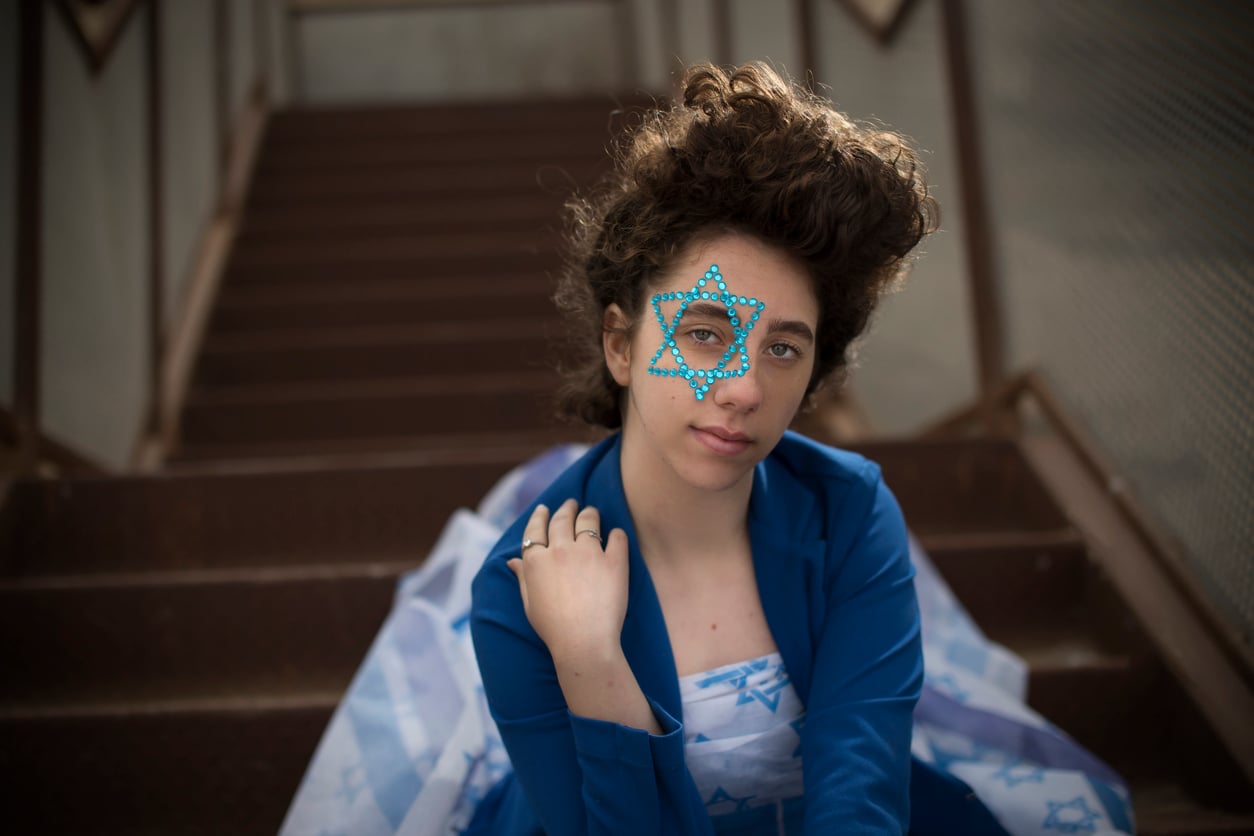
A Yom Ha’atzmaut guide for Jewish high schoolers and the families who love them
Let’s just name it: being a Jewish teen who cares about Israel right now is hard.
You might have friends who’ve said things about Israel that left you speechless. You might have stayed quiet in a conversation when you wished you hadn’t. You might have scrolled past something on your phone that made your stomach drop. You might be carrying a complicated mix of love and grief and confusion and pride and not know what to do with any of it.
All of that is real. And none of it means you have to stop loving Israel.
Yom Ha’atzmaut, Israel’s Independence Day, is observed each year on the 5th of Iyar in the Hebrew calendar. It is one of the most significant days in the Jewish year, and this post is for you — the teens who are trying to figure out what it means to celebrate something that feels this complicated.
I want to give you something more useful than talking points. I want to give you a foundation.
You Are Allowed to Love Israel
This should not need to be said. But right now, it does.
You are allowed to feel a connection to Israel. You are allowed to feel proud of what Israel has built. You are allowed to grieve what is happening there and still feel that the land matters to you. You are allowed to feel all of these things at once, and none of them cancel the others out.
Loving Israel is not a political statement. It is a Jewish one. The connection between the Jewish people and the Land of Israel is thousands of years old. It is woven into the prayers you may have learned for your Bar or Bat Mitzvah. It is in the direction Jews face when they pray. It is in every seder when we say l’shanah haba’ah b’Yerushalayim — next year in Jerusalem.
That connection belongs to you. No one gets to take it away from you.
What’s Actually Going On — and Why It’s So Hard
The reason this feels so hard right now is not because you are weak or confused or doing something wrong. It is because you are living through a genuinely complicated moment in Jewish history.
The conflict in the region is painful, layered, and old. Reasonable, caring people disagree sharply about how to think about it. And social media has turned every opinion into a performance, every question into a test of loyalty, and every nuanced thought into something that can be taken out of context in about three seconds.
On top of that, antisemitism is rising in ways that many of your parents and grandparents had hoped we were past. Some of what gets called criticism of Israel is actually just old hatred in new language. Not all of it is. Learning to tell the difference is real work, and it takes time.
None of this means you have to become an expert in Middle Eastern politics to earn the right to your Jewish identity. It means you get to be a Jewish teenager who is still learning and still figuring things out. That is exactly who you are supposed to be right now.
The Difference Between Identity and Argument
Here is something that might be the most useful thing in this whole post:
You do not have to win an argument to be allowed to love Israel. Your love for Israel is not a debate position. It is part of who you are.
A lot of Jewish teens get pulled into trying to defend Israel in every conversation, and then feel devastated when the argument doesn’t go the way they hoped, or when someone says something cruel, or when they just don’t have the words.
But your Jewish identity doesn’t rest on whether you won a lunch table debate. It rests on thousands of years of history, on your family’s story, on what you’ve learned and prayed and celebrated.
You are not required to engage every time someone says something inflammatory about Israel. You are allowed to say: this is personal to me and I’m not going to debate it right now. That is a complete sentence.
You are also allowed to engage when you want to, from a place of strength rather than panic. But that requires knowing what you actually believe, and why — which is worth spending some time on.
What Do You Actually Believe?
This is the most important question. Not what will win the argument. Not what will make people like you. What do you actually think?
Here are some questions worth sitting with honestly:
Questions worth sitting with
|
You don’t have to have polished answers to these. But thinking them through before you’re in a heated conversation means you’re speaking from somewhere real, not just reacting.
When Someone Says Something That Hurts
It will happen. It probably already has.
Someone will say something about Israel, or about Jews, that lands like a punch. And you will have about two seconds to decide what to do.
A few things that actually help:
You don’t have to respond immediately
“I need to think about that” or “that’s not something I’m going to debate right now” are both completely legitimate responses. Silence is also legitimate. You are not obligated to be anyone’s debate partner.
Name the impact without getting into the argument
“That felt hurtful to me” is not a debate position. It’s a statement about your experience. It can stop a conversation cold in a way that engaging the substance often doesn’t.
Find your people
You should not have to carry this alone. Talk to your rabbi. Talk to Jewish friends who get it. Talk to a parent or a trusted adult. The feeling of being isolated in your Jewish identity is real and it is awful, and connection is the answer to it.
Know that it’s okay to walk away
Not every conversation is worth your emotional energy. Some people are not asking questions in good faith. You are not required to stay in a conversation that is making you feel unsafe or diminished.
Ways to Mark Yom Ha’atzmaut This Year
Celebrating doesn’t have to be complicated. It just has to be intentional.
- Listen to Hatikvah and actually pay attention to the words. The song is about hope. Hope kept alive through two thousand years of exile. It’s worth really hearing.
- Learn one thing real about Israel this week, from a book, a documentary, a person, or a credible source. Not from a social media argument. Something with depth.
- Write something: a letter to Israel, a reflection on what your Jewish identity means to you right now, or just a list of questions you have. Writing clarifies.
- Cook or eat Israeli food. Shakshuka. Hummus. Falafel. Food is culture and culture is identity.
- Talk to someone older than you about what Israel has meant to them across their life. Ask your grandparents, your rabbi, a Jewish adult you trust. Their answers will surprise you.
- Do something Jewish, period. Attend a Shabbat service. Light candles. Say a blessing. Your connection to the Jewish people is the foundation everything else stands on.
A Note for Parents
If your teenager is navigating any of what’s described in this post, the most important thing you can do is make sure they know they are not alone. Ask what they’re experiencing at school. Ask what they’re feeling about Israel. Ask what they wish they knew more about.
Try not to give them a position to defend. Give them a foundation to stand on. The difference matters enormously. A position can be knocked over in an argument. A foundation holds.
And if you’re carrying your own complexity about Israel right now, it is okay to say that honestly. Modeling what it looks like to love something and still hold hard questions about it is one of the most Jewish things you can teach your child.
You Are Not Alone in This
The Neshamah Institute exists to be your Jewish community, whatever that looks like for you right now. We hold Israel with love. We hold questions with respect. We hold our community together through all of it.
If you are a Jewish teen who is feeling isolated in your Jewish identity, or a parent who is watching your kid struggle with these questions, please reach out. There is a community here for you.
Visit niboca.org to learn more about what we offer for teens and families, or contact Rabbi Amy directly.
Chag Ha’atzmaut Sameach.
Rabbi Amy Rader | The Neshamah Institute | niboca.org
About Rabbi Rader
Rabbi Amy Rader is the Founder and Executive Director of the Neshamah Institute in Boca Raton, a vibrant Jewish community offering meaningful Jewish education for kids, Bar and Bat Mitzvah preparation, High Holiday services, and inspiring Jewish events. Ordained by the Jewish Theological Seminary, Rabbi Rader brings over 25 years of experience helping families connect deeply with Judaism in modern, authentic ways.